
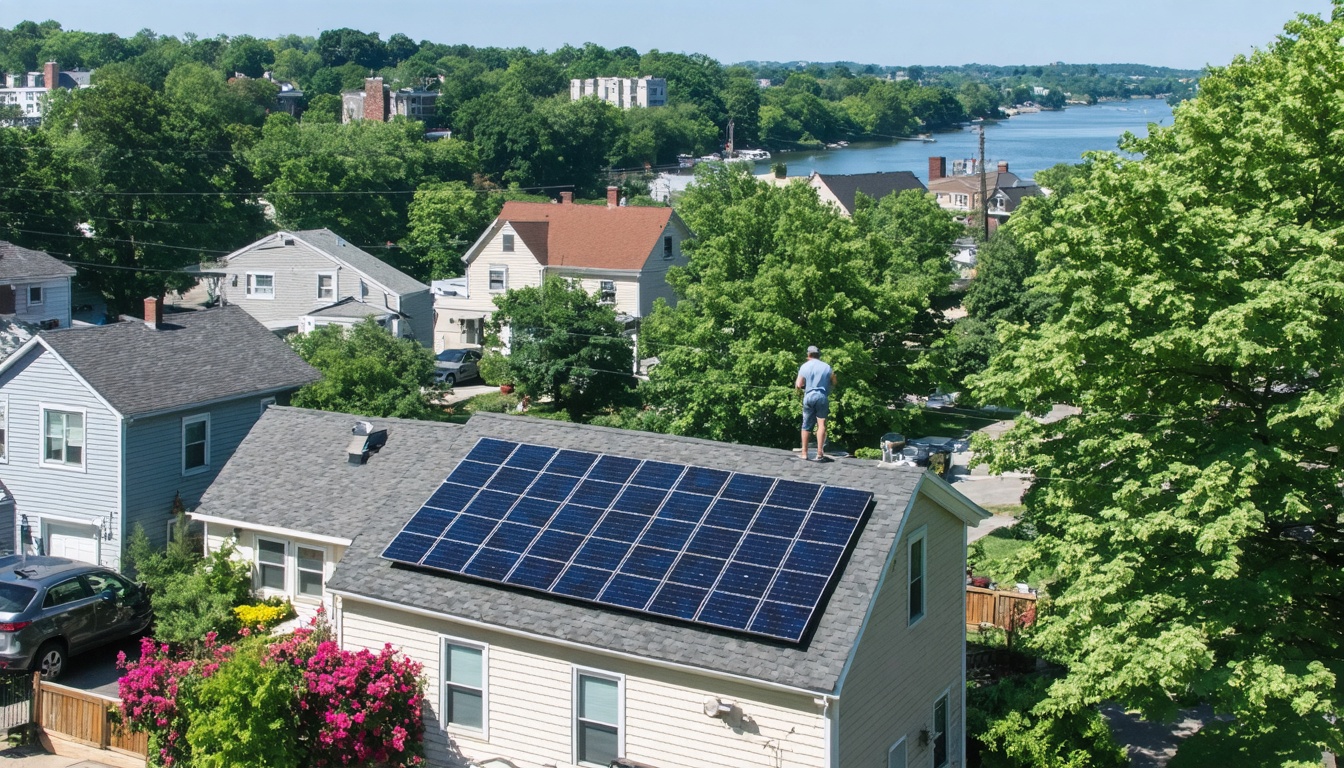
How Paterson, New Jersey Homeowners Can Make the Most of Their Solar Potential
Homeowners in Paterson, New Jersey, have the opportunity to reduce energy costs and enhance the value of their properties by considering solar power. The integration of solar energy can lead to financial savings, as well as contribute to environmental sustainability. However, it is crucial to approach the decision-making process with a clear understanding of available options and local incentives. When evaluating solar power for your home, factors such as initial investment costs, the selection of a qualified installer, and potential long-term benefits should be considered. Initial costs can vary based on the size of the solar installation and the specific technology used. It is important for homeowners to obtain multiple quotes and assess the reputation and experience of installers. Additionally, Paterson offers various local, state, and federal incentives for solar energy adoption. These may include tax credits, rebates, and financing options that can lessen the burden of upfront costs. Homeowners should research these incentives thoroughly to determine how they can affect total investment. Another crucial aspect to consider is the potential return on investment (ROI) from solar energy. This includes calculating the expected savings on energy bills and understanding how solar installations might influence property value over time. In summary, maximizing solar potential in Paterson involves a careful analysis of costs, installer options, local incentives, and expected returns. Homeowners are encouraged to gather comprehensive information to make an informed decision regarding the adoption of solar power for their property.
Solar Energy Adoption in Paterson
Solar energy adoption in Paterson has experienced a notable increase, reflecting a growing awareness of environmental issues and financial considerations among local residents. The city's electricity costs, which frequently surpass the national average, have led many homeowners to investigate renewable energy solutions.
According to recent data, Paterson currently holds the 5th position in the United States for residential solar installations, benefiting from an average of 4.7 peak sun hours per day. These factors create a conducive environment for installing solar systems designed to offset typical electricity usage.
The state of New Jersey promotes the growth of solar energy through several incentives, such as full 1:1 net metering, exemptions from utility and sales taxes, and rebates under various initiatives.
Homeowners in Paterson have access to different financing options, which include leasing arrangements and outright cash purchases. Additionally, collaborating with established local installers can facilitate the installation process. This amalgamation of favorable geographical attributes and supportive policy frameworks positions solar energy as a viable option for many residents in Paterson.
Costs and Financing Options for Solar Panels
When evaluating a solar panel system for residential use in Paterson, it is crucial to examine both the associated costs and available financing options. The average cost for a residential solar system in Paterson is around $26,857, which equates to approximately $2.98 per watt of installed capacity.
For homeowners looking to minimize upfront costs, leasing options are available. For example, the LightReach program allows monthly payments starting at $120, which can lead to immediate reductions in electricity expenses by decreasing dependence on the grid.
In contrast, purchasing a solar system outright generally requires a higher initial investment but may yield a financial payback period of approximately 10.2 years. Homeowners who choose this route may achieve greater long-term savings since they will eventually own the solar installation free and clear.
Furthermore, net metering can enhance the financial benefits of solar systems by enabling homeowners to earn credits for any excess energy generated that is returned to the grid. Additionally, New Jersey offers various incentives that can further decrease the total cost of the solar investment.
Palmetto provides a full-service approach to solar installation, offering assistance throughout the process to ensure a smooth experience for homeowners. For more information about solar options in Paterson, visit https://solarpanelspatersonnj.com/.
It is advisable for potential buyers to carefully analyze their electricity consumption to determine the appropriate system size, which can range from configurations suitable for small homes to those designed for larger properties.
Evaluating Electricity Rates in Paterson
Given the increasing trend of electricity rates in Paterson, evaluating your current utility expenses is a rational approach when considering the installation of solar energy systems. The local electricity rate has exceeded the national average, currently measured at 19.38 cents per kilowatt-hour (kWh).
In comparison, New Jersey's residential electricity prices are significantly higher than those in some other regions, including Rockland Electric.
The installation of solar panels may provide a viable strategy for reducing electricity costs. Local installers have the capability to design solar energy systems that are tailored to your average energy consumption, potentially leading to more stable and predictable monthly expenses.
Solar panels typically generate electricity during peak sunlight hours, and many utility companies in New Jersey offer net metering programs. These programs allow users to receive credits for any excess energy generated by their solar systems.
Additionally, options for energy storage are available, which can further enhance the economic benefits associated with transitioning to solar energy.
State and Local Incentives for Solar Installations
Incentives play a crucial role in enhancing the affordability and accessibility of solar energy for homeowners in Paterson, New Jersey. The state's implementation of 1:1 net metering allows homeowners to receive credits for any excess kilowatt-hours (kWh) their solar panels generate. This system helps offset utility expenses from energy providers such as City Electric and Rockland Electric.
Additionally, New Jersey offers upfront sales tax exemptions at a rate of 6.625%, as well as property tax exemptions for solar installations. These policies are intended to reduce the initial financial burden of solar system deployment and shield homeowners from property tax increases that may arise from the increased value associated with their renewable energy installations.
Installation companies like Palmetto support the solar adoption process by handling various aspects of the installation, which can lead to immediate financial savings for homeowners once their system is active.
Furthermore, the Garden State Energy Storage Program provides rebates for energy storage technologies, which enhance the benefits of solar energy by allowing users to maximize the use of the electricity generated.
Community solar projects also expand access to solar energy, particularly for residents with roofs that are unsuitable for traditional solar panel installation due to shading or structural issues. These initiatives aim to engage a broader demographic in renewable energy solutions, thus aligning with state objectives for energy sustainability.
Performance and Seasonal Production of Solar Systems
The performance of solar panels in Paterson is determined by several key factors, with the city averaging 4.7 peak sun hours per day. This average allows a typical 10 kW residential solar system to produce approximately 13,000 kWh annually, which is higher than the national average.
It is important to note that monthly energy production can fluctuate, generally with increased production during the summer months and decreased output in winter months. Despite these variations, solar systems can effectively offset a considerable amount of a household's electricity consumption, even when considering significant heating requirements that may extend for up to 15 hours each day.
Financial mechanisms such as net metering, storage incentives, and reductions in utility expenses can mitigate the upfront costs associated with solar installations.
Solar companies like Palmetto can oversee the ownership and maintenance of solar systems, allowing homeowners to start generating savings soon after installation.
Additionally, the escalating costs of electricity due to rising utility rates contribute to more predictable long-term energy expenses for consumers who invest in solar technology.
Selecting a Qualified Solar Installer
Selecting a qualified solar installer is critical for ensuring the dependability and efficiency of a solar energy system. In Paterson, NJ, it is advisable to consider installers with positive EnergySage ratings, appropriate licenses, and at least 2-3 years of experience in residential solar installations.
When assessing potential installers, comparing the warranties they provide is important, as the extent of coverage can significantly influence the long-term performance and cost-effectiveness of the solar system.
Additionally, the installer should have a thorough understanding of state and local incentives, net metering policies, and tax exemption regulations, as these elements directly affect both initial installation costs and ongoing electricity expenses.
It is also important to inquire about the installation team. The involvement of subcontractors can introduce variability in installation quality, which may impact system performance.
By conducting comprehensive research and selecting a qualified installer, homeowners can better align their solar investments with their average electricity usage, comply with Garden State rebate standards, and potentially realize savings on their energy bills.
Customer Experiences and Company Reviews
In Paterson, homeowners have reported a generally manageable experience in transitioning to solar energy, largely due to the support and communication offered by established solar providers. Reviews from various sources in New Jersey highlight several advantages, including state incentives, net metering, and potential monthly savings that tend to exceed the national average for electricity prices.
Companies such as Palmetto offer a range of solutions, including system ownership and maintenance options, as well as leasing alternatives that reduce initial costs. This framework allows consumers to alleviate the financial burden posed by rising utility rates from providers such as Atlantic City Electric, City Electric, and Rockland Electric.
An analysis of over 1,100 residential customer experiences indicates an average rating of 5.0, reflecting a strong level of customer satisfaction. Areas frequently highlighted in positive feedback include the perceived value of solar systems, quality of customer support, and clear communication regarding common queries related to system performance, tax exemptions, and sales processes.
This evidence points to an increasing acceptance of solar technology in the region as a practical option for energy supply.
Long-Term Savings and Environmental Impact
Investing in residential solar energy in Paterson involves a significant initial investment. Nevertheless, this expenditure has the potential to deliver considerable long-term financial advantages. Homeowners in the area can expect reductions in electricity bills, which tend to be higher than the national average, with estimated savings of about $189 per month.
A solar energy system can typically offset around 13,000 kWh of electricity usage annually, providing a more predictable cost structure for utilities.
Furthermore, homeowners may benefit from net metering options along with various state and local incentive programs available in New Jersey, including sales tax exemptions. Over a 25-year period, the total financial benefit from these savings and incentives could approximate $83,000.
From an environmental standpoint, transitioning to solar energy can lead to a meaningful decrease in carbon emissions. This reduction is comparable to the carbon absorption achieved by planting roughly 175 trees annually.
This shift towards solar technology aligns with broader sustainability initiatives and the objective to decrease dependence on fossil fuels. Therefore, the adoption of solar energy systems represents a viable method for managing energy costs while also having a beneficial impact on the environment.
Conclusion
Installing solar panels on your Paterson home can lead to financial savings and contribute to environmental sustainability. Homeowners should begin by evaluating the different solar options available, which include purchasing a system outright, leasing, or opting for a power purchase agreement (PPA). Each option has its own financial implications, including initial costs and long-term savings potential. It is important to calculate the total cost associated with solar installation, factoring in equipment, installation, and ongoing maintenance. Homeowners can benefit from various financial incentives, such as state tax credits, federal tax credits, and renewable energy certificates, which can significantly reduce overall expenses. Selecting a qualified installer is crucial to ensure proper system installation and performance. Researching local installers, checking their credentials, and reviewing customer feedback can assist homeowners in making an informed choice. Once the system is installed, monitoring its performance is essential to ensure it operates efficiently and to identify any potential issues early. Engaging with local advocacy groups can also provide homeowners with updates on policy changes, incentives, and community initiatives related to solar energy. In summary, while the prospect of solar energy in Paterson has clear benefits, careful consideration of costs, proper system management, and staying informed about local developments will enhance the overall value of the investment.
