
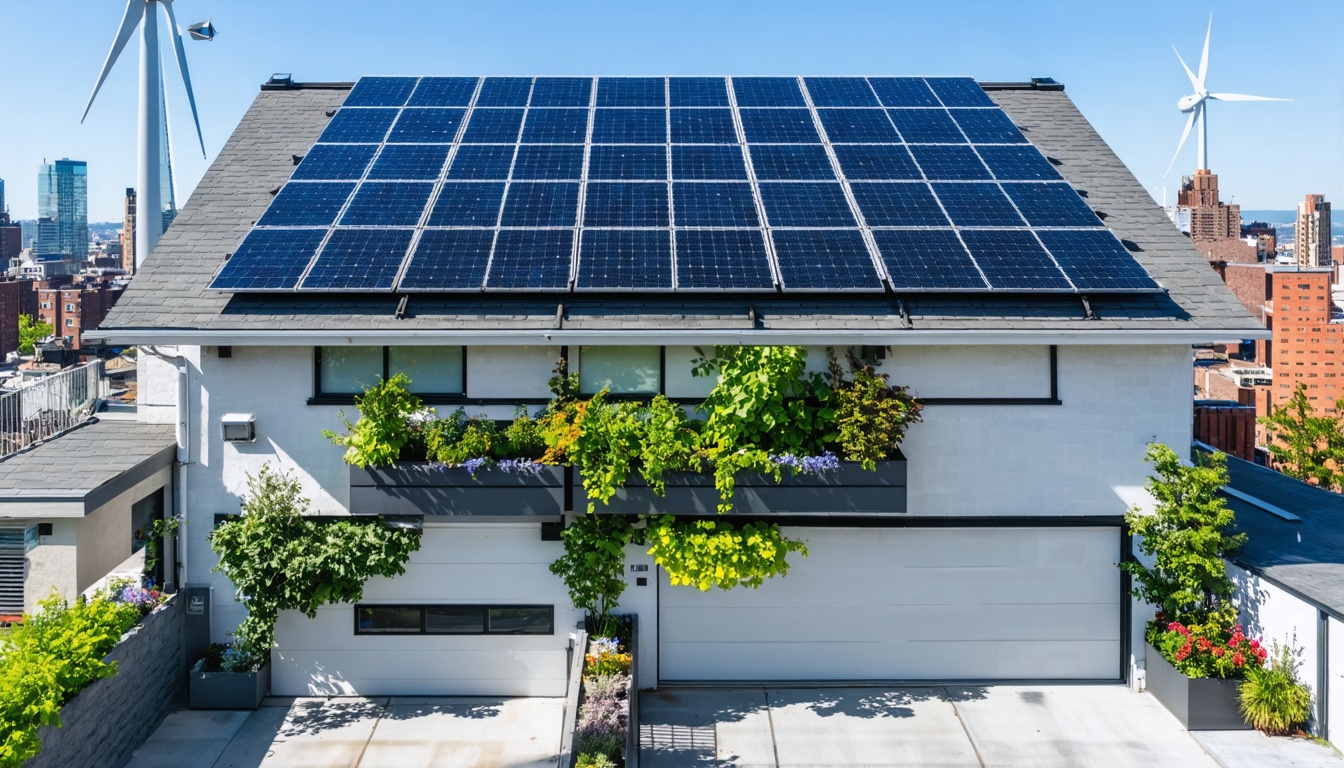
What a More Resilient Home Energy Plan Looks Like in Jersey City, New Jersey
Living in Jersey City presents unique challenges due to the area's variable weather conditions and the reliability of the electrical grid. Developing a more resilient home energy plan involves reducing dependence on utility companies and enhancing control over energy consumption, costs, and overall comfort. A strong resilience plan includes several key components. First, the integration of renewable energy sources, such as solar panels, can decrease reliance on external power sources and lower energy costs over time. Second, investing in energy storage solutions, like battery systems, can provide backup power during outages and optimize energy usage when electricity rates are lower. Additionally, implementing energy efficiency measures, such as improved insulation and energy-efficient appliances, can help reduce overall energy demand. Home automation systems can also contribute by optimizing energy use based on real-time data, further enhancing efficiency. Engaging with local energy programs or community solar initiatives may offer further resources and support, providing more localized energy solutions tailored to specific needs. As local energy markets evolve, participation in demand response programs may allow homeowners to benefit financially for reducing energy consumption during peak periods. Ultimately, creating a resilient home energy plan in Jersey City encompasses a combination of renewable energy sources, energy storage, efficient practices, and community engagement to effectively manage energy consumption and costs while preparing for potential outages.
Understanding Jersey City's Climate Vulnerability
Jersey City's coastal location and dense urban environment contribute to its heightened vulnerability to severe weather events, as demonstrated by the impacts of Hurricanes Irene and Sandy. Residents are already facing the consequences of climate change, with rising greenhouse gas emissions exacerbating risks across different Wards and communities.
The city has experienced historical flooding incidents and power outages, which have increased pressure on municipal resources. In response, the City Council and relevant divisions—such as the Services Division and the Environmental Affairs Division—have initiated measures to manage these challenges.
Resilient planning has become a key focus for the city, with support from various state agencies in New Jersey, Rutgers University, and the Emergency Management Office. This collaborative approach aims to strengthen the city's resilience to climate-related threats.
Additionally, organizations such as the Development and Construction Division, the Prevention Division, and the Engineering Division are involved in the planning process. Tools like Alert JCCity have been implemented to keep residents informed and support decision-making, ultimately contributing to a more sustainable urban environment.
Key Features of a Resilient Home Energy Plan
A resilient home energy plan addresses immediate energy needs while also preparing for long-term challenges associated with variable weather patterns and climate change. In Jersey City, there is a focus on reducing greenhouse gas emissions and promoting resilience through careful planning and community involvement.
Collaboration between the Division of Environmental Affairs and the Division of Engineering is advised to enhance the efficacy of these initiatives.
The incorporation of smart energy systems and renewable energy sources, particularly solar power, is a practical approach to adapting to changing climate conditions. The local government, including the City Council and the Council President, is actively advocating for policies that aim to improve energy resilience in the community.
Integrating stormwater management practices into the energy plan can also help alleviate the impacts of extreme weather events. Community engagement and the use of resources like Alert JCCity can provide additional support for these efforts.
This comprehensive strategy seeks to ensure that various demographics, including working families and businesses, are equipped to address the ongoing challenges presented by environmental changes effectively.
Energy Efficiency Upgrades for Urban Residences
Energy efficiency upgrades play a significant role in improving the resilience of urban residences, particularly in locations such as Jersey City. Upgrading systems, such as heating, ventilation, and air conditioning (HVAC), enhancing insulation, and replacing windows are effective measures that contribute to the city's climate action strategy and align with the goals set forth by the Environmental Affairs Division regarding resilience.
These upgrades have the potential to decrease greenhouse gas emissions and reduce energy costs. Moreover, transitioning to Energy Star-certified appliances is a recommended practice that supports community resilience and planning initiatives.
The integration of green infrastructure, as managed by the Engineering Division, is essential for mitigating the impacts of climate change. Residents are encouraged to consult the resources provided by the Environmental Commission and utilize the Development and Housing Preservation Online Permitting system.
This will help them to better understand the various local and New Jersey state incentives available for energy efficiency improvements. These initiatives not only assist in adhering to the guidelines established by the Meeting Schedule and Council President but also contribute to the overall sustainability of the urban environment.
Integrating Renewable Energy Technologies
Integrating renewable energy technologies is an important aspect of developing an effective home energy strategy, particularly in urban environments like Jersey City, which face increasing risks from climate-related issues.
The implementation of solar and wind energy systems, particularly through local providers like the Jersey City Solar Company, has the potential to lower greenhouse gas emissions, supporting local climate action initiatives and contributing to the goals set within various city planning frameworks.
Local government entities, such as the Environmental Affairs Division, provide useful guidance and resources to assist in the transition toward renewable energy.
Additionally, the New Jersey Board of Public Utilities offers financial incentives that can make the installation of rooftop solar and offshore wind systems more financially viable.
The Community Development and Engineering Division collaborates with local Ward leaders to ensure equitable access to these renewable energy options, reflecting a commitment to inclusive planning and resilience adaptations in light of evolving energy production and consumption patterns.
The adoption of renewable energy technologies serves not only to advance environmental objectives but also to enhance the community's resilience to potential climate challenges in the future.
Backup Power Solutions for Severe Weather Events
Backup power solutions are crucial during severe weather events, particularly in areas like Jersey City, which have experienced significant disruptions in electricity supply due to hurricanes such as Irene and Sandy. To prepare for potential outages, it is important to evaluate the effectiveness of backup generators and battery storage systems. Key considerations include the local climate, the power capacity needed for specific applications, and the type of fuel available for generators.
The New Jersey Board of Public Utilities provides incentives designed to make backup power solutions more financially accessible for both households and businesses. These programs aim to facilitate the adoption of backup systems, which can help reduce greenhouse gas emissions and improve community resilience in the face of natural disasters.
Engaging local contractors with expertise in the standards established by the Engineering Division is advisable, as their knowledge can help ensure the proper installation and compliance of backup power systems.
Additionally, collaborating with Jersey City’s resources and the Environmental Affairs Division can support local initiatives aimed at enhancing community preparedness and safety in response to increasingly variable weather conditions.
Ultimately, investing in reliable backup power options is a strategic measure for maintaining stability during adverse weather events.
Community Outreach and Resource Accessibility
Residents in Jersey City have access to various tools and resources aimed at improving home energy strategies through community outreach initiatives. The local government provides resources and educational opportunities to promote informed decision-making regarding energy consumption. The administration's PLAN and the City Council highlight the importance of resilience, fostering collaboration among the Environmental Affairs Division, Housing Development, and local business partners to support working families.
Residents can attend workshops and seek technical assistance from the Engineering Division. The Climate Resilience Literacy Handbook is also available as a resource, offering guidance on effective energy management practices and strategies to enhance resilience. Outreach efforts are strategically designed to reach all Wards and collaborate with New Jersey community groups, ensuring accessibility for diverse populations, including veterans.
Key tools such as Alert JCCity, the Meetings Calendar, Landlord Registration, Elections Agendas, and various Services Division resources are accessible to help residents respond effectively to climate change and initiatives focused on reducing greenhouse gas emissions.
These coordinated efforts reflect Jersey City's commitment to improving community engagement and resource accessibility in the pursuit of energy resilience.
Leveraging Local and State Climate Data
Accurate climate data is crucial for creating an effective home energy plan in Jersey City. Resources from the New Jersey Department of Environmental Protection's Environmental Affairs Division and Engineering Division can aid in assessing the impacts of climate change.
Important references include the NJ Scientific Report on Climate Change, Rutgers' publication “New Jersey’s Rising Seas,” and Heat Hub NJ, which offer insights into regional risks and vulnerabilities associated with energy infrastructure.
Furthermore, tools like the U.S. Climate Resilience Toolkit can improve the understanding of local climate conditions and inform potential responses. Engagement with City Council members, Ward leaders, and community stakeholders is essential in addressing concerns related to greenhouse gas emissions, public health, and resilience.
Reviewing platforms such as Alerts JCCity and the meeting schedule from Council President Denise Ridley can provide updates on ongoing discussions and initiatives relevant to the community's climate strategy.
Supporting Resilience Through City Planning Initiatives
City planning initiatives in Jersey City play a significant role in enhancing resilience to climate challenges. The City’s Planning Division and Council have integrated resilience into their strategic framework through various documents, including the Climate and Energy Action Plan, the Resiliency Master Plan, and the Urban Environmental Green Infrastructure Plan. These documents collectively aim to reduce greenhouse gas emissions and improve neighborhood safety.
The city’s Development and Construction Code, along with efforts in Economic and Community Development and Transportation Planning, addresses sustainability goals by incorporating them into current projects and land use policies. The City Council, under the leadership of President Denise Ridley, oversees the planning process and implementation of these initiatives to ensure they align with the established resilience objectives.
Collaborative partnerships, such as those with Resilient NJ, support the city’s goals by promoting cooperation among different stakeholders. These partnerships are focused on developing adaptation strategies, enhancing environmental safety, and building community engagement, all of which are crucial for fostering a resilient urban environment.
Conclusion
Developing a resilient home energy plan in Jersey City involves addressing both regular energy consumption and the potential impacts of extreme weather events. Key strategies include investing in energy efficiency upgrades, such as insulation and energy-efficient appliances, which can lead to reduced utility costs and lower overall energy demand. Additionally, exploring renewable energy options, such as solar panels, not only contributes to sustainability but can also provide cost savings in the long term. In terms of backup power, it is important to consider different options, such as battery storage systems or generators, to ensure continuity of power during outages. Engaging with local resources, such as nonprofit organizations and municipal programs, can provide guidance and support in implementing these strategies. Furthermore, individuals can take advantage of state and local incentives designed to promote energy efficiency and renewable energy use. Staying informed about energy policies and developments within the community, as well as collaborating with neighbors and local groups, can foster a collective approach to improving energy resilience. By prioritizing these elements, Jersey City residents can contribute to a more stable and secure energy future.
